
Arsinoe Library Edition, 2026
The Arsinoe Library is excited to announce a new publication.
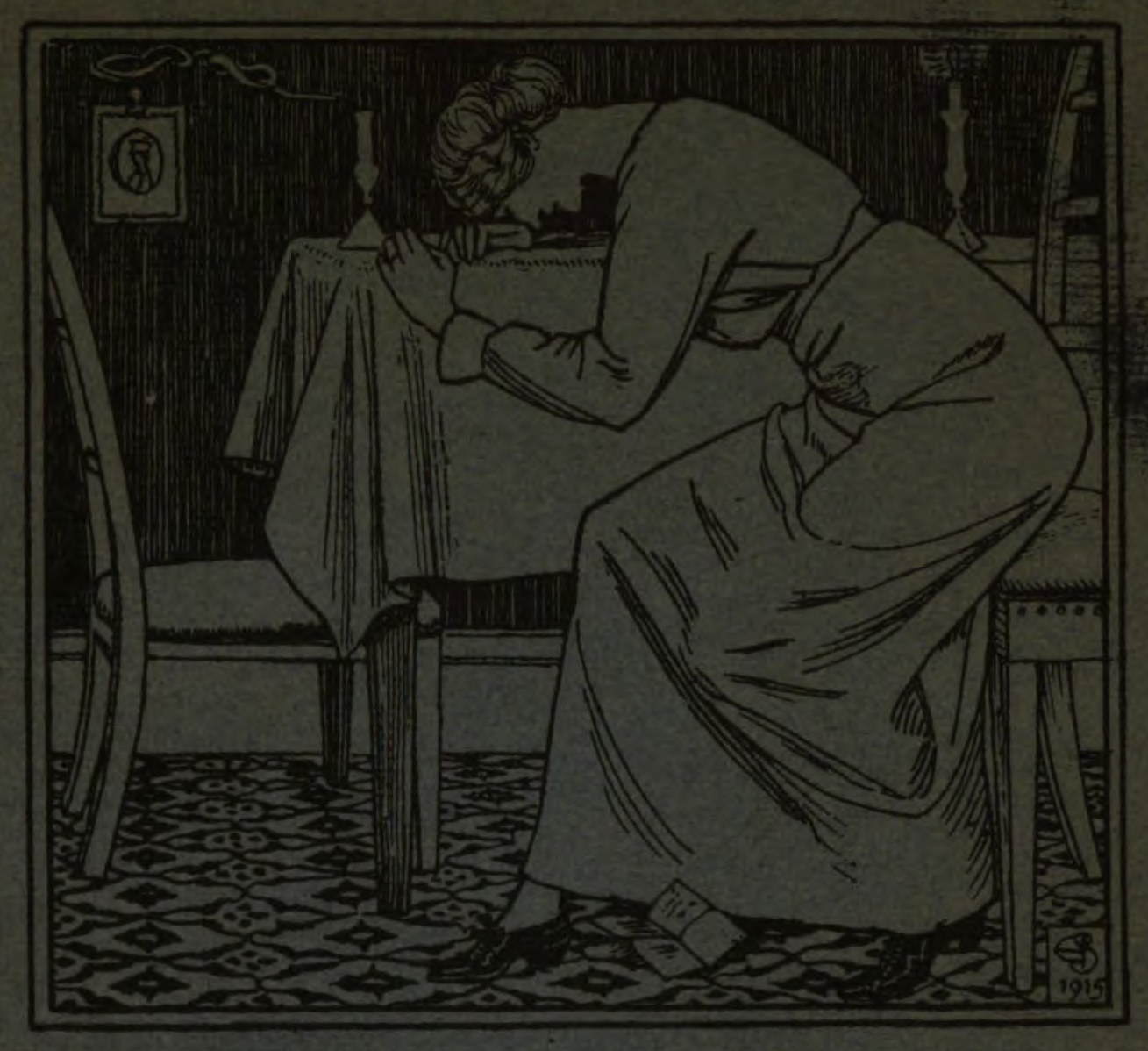
The Ghosts of the Slain is a 1915 antiwar work by R. L. Outhwaite, illustrated by Joseph E. Southall and published by the National Labour Press in Manchester. It imagines the aftermath of war and argues that lasting peace requires political freedom, economic justice, and an end to the exploitation of ordinary people.
The narrator begins by recoiling from slaughter, accusing rulers, manipulators, and religious authorities of sending people to kill one another. Fear and deception turn workers against fellow workers, while both sides believe their cause is righteous. Religious support for killing is presented as a betrayal of the commandment against murder.
When fighting ends, millions are dead and the world’s resources are exhausted. Peace brings silence rather than relief. The ghosts of fallen soldiers confront the survivors, asking why they were killed and whether their deaths were meaningless. Survivors recognize that fear drove them to kill people who were their brothers. Grief becomes anger, and the public demands judgment against those who deceived them.
Famine follows the war. Children die, mothers cannot feed them, and mills and looms fall silent. Bereaved women challenge men over the loss of their sons and partners. Hungry people organize and reject the leaders and governments they blame for catastrophe, refusing renewed promises that obedience will solve their suffering.
The rebellion also targets religious institutions that blessed armies and weapons. The people reject the idea of a divine sanction for war and accuse priests of betraying Christ’s message of peace. They declare humanity united in suffering and envision the earth as a shared sanctuary.
Political revolt follows. Kings, governments, and legislators are condemned for promoting war, protecting oppressors, restricting freedom, and punishing resistance. The people overthrow these authorities, believing that leaving them in power would allow another slaughter. Liberty emerges from the upheaval.
Yet freedom alone does not end hunger. The final section identifies exclusion from land and its abundance as the injustice. Concentrated ownership leaves workers idle and impoverished, breeds rivalry between nations, and enables owners to send the dispossessed into battle.
The proposed settlement holds the earth in trust for everyone while ensuring that workers retain the fruits of their labour. The work concludes that justice can secure enduring peace and give meaning to the dead’s sacrifice.
The Arsinoe Library edition preserves the text and illustrations from a scanned 1915 copy, with source page markers and an explanation of editorial changes.
Full Text
HTML – http://dlc.arsinoelibrary.org/Outhwaite-Ghosts-of-the-Slain/ghost-slain.html
MARC 21 Bibliographic Data / MARCXML
<?xml version="1.0" encoding="UTF-8"?>
<record xmlns="http://www.loc.gov/MARC21/slim" xmlns:xsi="http://www.w3.org/2001/XMLSchema-instance" xsi:schemaLocation="http://www.loc.gov/MARC21/slim https://www.loc.gov/standards/marcxml/schema/MARC21slim.xsd">
  <leader>00000nam a2200000 a 4500</leader>
  <controlfield tag="001">ghost-slain-outhwaite-southall-wu89100031962</controlfield>
  <controlfield tag="005">20260920000000.0</controlfield>
  <controlfield tag="008">260920s1915    enka    o     000 u eng d</controlfield>
  <datafield tag="040" ind1=" " ind2=" ">
    <subfield code="a">ArsinoeLib</subfield>
    <subfield code="b">eng</subfield>
    <subfield code="e">rda</subfield>
    <subfield code="c">ArsinoeLib</subfield>
  </datafield>
  <datafield tag="100" ind1="1" ind2=" ">
    <subfield code="a">Outhwaite, R. L.</subfield>
    <subfield code="q">(Robert Leonard),</subfield>
    <subfield code="d">1869-1930,</subfield>
    <subfield code="e">author.</subfield>
  </datafield>
  <datafield tag="245" ind1="1" ind2="4">
    <subfield code="a">The Ghosts of the Slain /</subfield>
    <subfield code="c">by R. L. Outhwaite, M.P. ; with drawings by Joseph E. Southall.</subfield>
  </datafield>
  <datafield tag="264" ind1=" " ind2="1">
    <subfield code="a">Manchester :</subfield>
    <subfield code="b">National Labour Press, Ltd.,</subfield>
    <subfield code="c">1915.</subfield>
  </datafield>
  <datafield tag="300" ind1=" " ind2=" ">
    <subfield code="a">1 online resource (36 pages) : illustrations</subfield>
  </datafield>
  <datafield tag="336" ind1=" " ind2=" ">
    <subfield code="a">text</subfield>
    <subfield code="b">txt</subfield>
    <subfield code="2">rdacontent</subfield>
  </datafield>
  <datafield tag="337" ind1=" " ind2=" ">
    <subfield code="a">computer</subfield>
    <subfield code="b">c</subfield>
    <subfield code="2">rdamedia</subfield>
  </datafield>
  <datafield tag="338" ind1=" " ind2=" ">
    <subfield code="a">online resource</subfield>
    <subfield code="b">cr</subfield>
    <subfield code="2">rdacarrier</subfield>
  </datafield>
  <datafield tag="500" ind1=" " ind2=" ">
    <subfield code="a">Title from HTML title page.</subfield>
  </datafield>
  <datafield tag="500" ind1=" " ind2=" ">
    <subfield code="a">Digitized by Google from a University of Wisconsin copy; HathiTrust item wu.89100031962, identified by HathiTrust as in the public domain.</subfield>
  </datafield>
  <datafield tag="500" ind1=" " ind2=" ">
    <subfield code="a">Arsinoe Library HTML edition transcribed from the HathiTrust page-image scan of the 1915 National Labour Press edition; source page boundaries are retained in the markup.</subfield>
  </datafield>
  <datafield tag="520" ind1=" " ind2=" ">
    <subfield code="a">An illustrated allegorical vision of the First World War, in which Fear and Famine scourge the earth, the ghosts of the slain rise to demand a reckoning from kings, priests, and lawgivers, and Labour and Liberty inherit the earth.</subfield>
  </datafield>
  <datafield tag="546" ind1=" " ind2=" ">
    <subfield code="a">In English.</subfield>
  </datafield>
  <datafield tag="700" ind1="1" ind2=" ">
    <subfield code="a">Southall, Joseph E.</subfield>
    <subfield code="e">illustrator.</subfield>
  </datafield>
  <datafield tag="856" ind1="4" ind2="0">
    <subfield code="u">http://dlc.arsinoelibrary.org/Ghost-slain/ghost-slain.html</subfield>
    <subfield code="y">Full text online</subfield>
  </datafield>
</record>